

As a seasoned supplier of Rainwater Pipeline Molds, I often encounter inquiries regarding the shrinkage rate of these molds. Understanding the shrinkage rate is crucial for producing high-quality rainwater pipes that meet industry standards and client expectations. In this blog, I'll delve into the concept of shrinkage rate in rainwater pipeline molds, factors influencing it, and its significance in the manufacturing process.
What is the Shrinkage Rate?
The shrinkage rate of a rainwater pipeline mold refers to the percentage reduction in the dimensions of the molded pipe compared to the dimensions of the mold cavity. This phenomenon occurs due to the physical and chemical changes that take place during the curing and cooling process of the pipe material, typically concrete or plastic.
When the pipe material is poured into the mold, it is in a fluid or semi - fluid state. As it cures and cools, it undergoes a phase change, losing moisture (in the case of concrete) or solidifying (in the case of plastic). These processes cause the material to contract, resulting in a smaller final product than the original mold dimensions.
Factors Influencing the Shrinkage Rate
Material Properties
- Concrete: For concrete rainwater pipes, the shrinkage rate is significantly affected by the mix design. The amount of cement, aggregates, water - cement ratio, and the use of admixtures all play a role. A higher water - cement ratio generally leads to a greater shrinkage rate because more water needs to evaporate during the curing process. For example, a mix with a water - cement ratio of 0.6 may have a higher shrinkage rate compared to a mix with a ratio of 0.4.
- Plastic: In the case of plastic rainwater pipes, the type of plastic resin used is a key factor. Different plastics have different coefficients of thermal expansion and shrinkage. For instance, polyvinyl chloride (PVC) has a relatively low shrinkage rate compared to polyethylene (PE), which can have a higher shrinkage rate depending on its density and molecular structure.
Curing Conditions
- Temperature and Humidity: The temperature and humidity during the curing process have a profound impact on the shrinkage rate. Higher temperatures accelerate the curing process, which can lead to more rapid moisture loss and increased shrinkage. In contrast, a high - humidity environment can slow down the evaporation of water from the concrete, reducing the shrinkage rate. For plastic pipes, temperature variations during the cooling process can cause uneven shrinkage, leading to warping or dimensional inaccuracies.
- Curing Time: The length of the curing period also affects shrinkage. A longer curing time allows the material to cure more gradually, reducing the risk of excessive shrinkage. For concrete pipes, a curing time of 28 days is often recommended to achieve optimal strength and minimize shrinkage.
Mold Design
- Wall Thickness: The wall thickness of the rainwater pipe influences the shrinkage rate. Thicker - walled pipes tend to have a higher shrinkage rate because there is more material that needs to contract. For example, a pipe with a wall thickness of 50 mm may have a different shrinkage rate compared to a pipe with a wall thickness of 20 mm.
- Mold Surface Finish: A smooth mold surface can reduce the friction between the mold and the pipe material during the shrinkage process. This can result in a more uniform shrinkage and fewer defects in the final product.
Measuring the Shrinkage Rate
To measure the shrinkage rate of a rainwater pipeline mold, precise measurements are taken at different stages of the manufacturing process. First, the dimensions of the mold cavity are accurately measured. After the pipe is molded and fully cured, the corresponding dimensions of the pipe are measured. The shrinkage rate is then calculated using the following formula:
Shrinkage Rate (%) = [(Mold Dimension - Pipe Dimension) / Mold Dimension] × 100
For example, if the inner diameter of the mold cavity is 200 mm and the inner diameter of the cured pipe is 198 mm, the shrinkage rate would be:
Shrinkage Rate (%) = [(200 - 198) / 200] × 100 = 1%
Significance of the Shrinkage Rate in Manufacturing
Dimensional Accuracy
Maintaining a consistent and predictable shrinkage rate is essential for ensuring the dimensional accuracy of rainwater pipes. Inaccurate shrinkage can lead to pipes that do not fit properly during installation, causing leaks and other problems. For example, if the shrinkage rate is higher than expected, the pipes may be too small to connect with other components in the drainage system.
Quality Control
Monitoring the shrinkage rate is an important part of quality control in the manufacturing process. By measuring and controlling the shrinkage rate, manufacturers can ensure that the rainwater pipes meet the required standards and specifications. This helps to reduce the number of defective products and improve customer satisfaction.
Cost - Efficiency
Understanding the shrinkage rate can also contribute to cost - efficiency. By optimizing the mix design, curing conditions, and mold design to minimize shrinkage, manufacturers can reduce waste and rework. For example, if the shrinkage rate is too high, pipes may need to be scrapped or re - machined, increasing production costs.
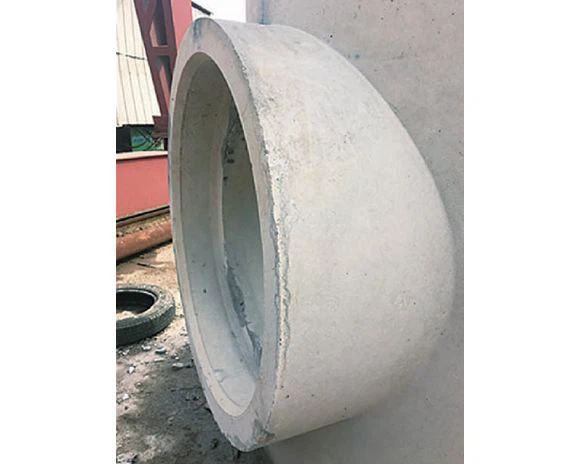

Our Rainwater Pipeline Molds
At our company, we offer a wide range of high - quality rainwater pipeline molds, including Mold for Socket and Spigot Cement Pipe, Mold for Plain - ended Cement Pipe, and Spigot Cement Pipe Mold. Our molds are designed with precision to ensure accurate dimensions and minimal shrinkage.
We have extensive experience in the industry and understand the importance of controlling the shrinkage rate. Our team of experts works closely with clients to select the most suitable mold design and provide guidance on the optimal manufacturing processes to achieve the desired shrinkage rate. Whether you are producing concrete or plastic rainwater pipes, we can offer solutions that meet your specific requirements.
Conclusion
The shrinkage rate of a rainwater pipeline mold is a complex but crucial aspect of the manufacturing process. It is influenced by various factors such as material properties, curing conditions, and mold design. By understanding and controlling the shrinkage rate, manufacturers can produce high - quality rainwater pipes that meet industry standards and customer expectations.
If you are in the market for rainwater pipeline molds or have questions about shrinkage rates, we invite you to contact us for a detailed discussion. Our team is ready to assist you in finding the best solutions for your production needs.
References
- Neville, A. M. (1995). Properties of Concrete. Pearson Education.
- Plastics Pipe Institute. (2018). Handbook of Polyethylene Pipe.
- American Concrete Institute. (2014). Guide for Measuring, Mixing, Transporting, and Placing Concrete.