

As a seasoned supplier of turnover machines, I've witnessed firsthand the pivotal role these machines play in various industries, from construction to manufacturing. Optimizing the performance of a turnover machine isn't just about increasing efficiency; it's about enhancing productivity, reducing costs, and ensuring the longevity of the equipment. In this blog post, I'll share some valuable insights and strategies that can help you get the most out of your turnover machine.
Understanding the Basics of Turnover Machines
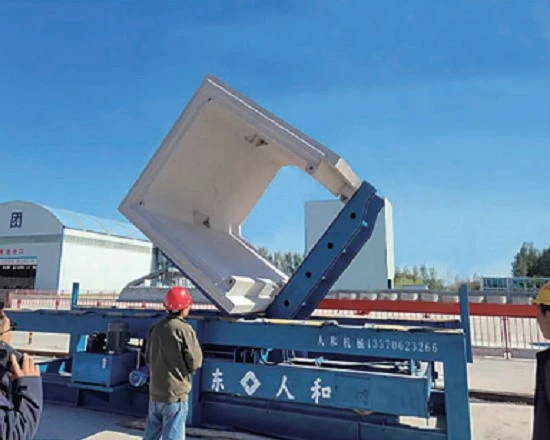
Before diving into optimization strategies, it's essential to have a clear understanding of what a turnover machine is and how it works. A turnover machine, also known as a flipper or tilter, is a specialized piece of equipment designed to rotate or flip heavy objects, such as large cement products, prefabricated components, or hydraulic cement structures. These machines are commonly used in industries where the handling and positioning of heavy items are required.
There are different types of turnover machines available in the market, each designed to meet specific industry needs. For instance, the Large Cement Product Turnover Machine is specifically engineered to handle large and heavy cement products with precision and efficiency. On the other hand, the Prefabricated Turnover Machine is ideal for handling prefabricated components in the construction industry. And the Hydraulic Cement Turnover Machine utilizes hydraulic power to provide smooth and controlled rotation of cement structures.

Regular Maintenance and Inspection
One of the most crucial aspects of optimizing the performance of a turnover machine is regular maintenance and inspection. Just like any other piece of machinery, turnover machines require proper care and attention to ensure they operate at their best. Here are some key maintenance tasks that should be performed regularly:
- Lubrication: Proper lubrication is essential to reduce friction and wear on moving parts. Make sure to follow the manufacturer's recommendations regarding the type and frequency of lubrication.
- Cleaning: Keep the machine clean and free from dirt, debris, and other contaminants. Regular cleaning can prevent damage to components and ensure smooth operation.
- Inspection: Conduct regular inspections of the machine to check for any signs of wear, damage, or malfunction. Pay special attention to critical components such as hydraulic systems, electrical connections, and mechanical parts.
- Calibration: Periodically calibrate the machine to ensure accurate and precise operation. This is particularly important for machines that require high levels of precision, such as those used in the manufacturing of precision components.
Operator Training and Safety
Another important factor in optimizing the performance of a turnover machine is operator training and safety. A well-trained operator is more likely to operate the machine efficiently and safely, which can help prevent accidents and downtime. Here are some key aspects of operator training and safety:
- Training: Provide comprehensive training to operators on how to operate the turnover machine safely and effectively. This should include training on machine controls, safety procedures, and maintenance requirements.
- Safety Equipment: Ensure that operators are provided with appropriate safety equipment, such as helmets, gloves, and safety glasses. Make sure that the machine is equipped with safety features such as emergency stop buttons and guards.
- Safety Procedures: Establish clear safety procedures for operating the turnover machine and ensure that all operators are aware of and follow these procedures. This should include procedures for loading and unloading objects, operating the machine in different modes, and responding to emergencies.
- Regular Refresher Training: Conduct regular refresher training sessions to keep operators up-to-date on the latest safety procedures and best practices. This can help prevent accidents and ensure that operators are using the machine correctly.
Optimization of Machine Settings
In addition to regular maintenance and operator training, optimizing the machine settings can also help improve the performance of a turnover machine. Here are some key settings that can be adjusted to optimize the machine's performance:
- Speed and Torque: Adjust the speed and torque settings of the machine to match the specific requirements of the task at hand. This can help improve the efficiency of the machine and reduce the risk of damage to objects being handled.
- Rotation Angle: Set the rotation angle of the machine to ensure that objects are rotated to the desired position. This can help improve the accuracy of the machine and reduce the need for manual adjustments.
- Clamping Force: Adjust the clamping force of the machine to ensure that objects are securely held in place during rotation. This can help prevent objects from slipping or falling during operation.
- Hydraulic Pressure: Monitor and adjust the hydraulic pressure of the machine to ensure that it is operating within the recommended range. This can help prevent damage to the hydraulic system and ensure smooth and efficient operation.
Use of Advanced Technologies
Finally, the use of advanced technologies can also help optimize the performance of a turnover machine. Here are some advanced technologies that can be used to improve the efficiency and productivity of a turnover machine:
- Automation: Automate the operation of the turnover machine using advanced control systems and sensors. This can help reduce the need for manual intervention and improve the accuracy and efficiency of the machine.
- Remote Monitoring: Use remote monitoring technologies to monitor the performance of the turnover machine in real-time. This can help detect potential problems early and allow for timely maintenance and repairs.
- Predictive Maintenance: Implement predictive maintenance strategies using data analytics and machine learning algorithms. This can help predict when maintenance is required and prevent breakdowns before they occur.
- Integration with Other Systems: Integrate the turnover machine with other systems, such as conveyor systems or robotic arms, to create a more efficient and automated production line. This can help reduce the time and labor required for handling objects and improve the overall productivity of the manufacturing process.
Conclusion
Optimizing the performance of a turnover machine is essential for ensuring the efficiency, productivity, and safety of your operations. By following the strategies outlined in this blog post, you can improve the performance of your turnover machine, reduce costs, and increase the longevity of the equipment. Remember to prioritize regular maintenance, operator training, optimization of machine settings, and the use of advanced technologies. If you have any questions or need further assistance in optimizing the performance of your turnover machine, please don't hesitate to contact us. We're here to help you get the most out of your investment in a turnover machine.
References
- Manufacturer's manuals and technical specifications for turnover machines.
- Industry standards and best practices for operating and maintaining turnover machines.
- Research studies and articles on the optimization of industrial machinery performance.