

In the realm of construction and infrastructure development, canal molds play a pivotal role. As a dedicated Canal Mold supplier, I have witnessed firsthand the multifaceted strengths of these essential tools. In this blog, I will delve into the various aspects that make canal molds a cornerstone in the construction industry.
Durability and Long - Term Use
One of the most prominent strengths of canal molds is their durability. These molds are typically made from high - quality materials such as steel or reinforced plastics. Steel canal molds, for instance, can withstand extreme weather conditions, heavy loads, and repeated use. They are resistant to corrosion, which is crucial, especially when used in environments where water is present. This resistance to corrosion ensures that the molds maintain their shape and integrity over a long period. For example, in large - scale water management projects, steel canal molds can be used for years without significant wear and tear.
Reinforced plastic canal molds also offer a high level of durability. They are lightweight, which makes them easier to handle and transport. At the same time, they are strong enough to withstand the pressure of concrete pouring and the forces exerted during the molding process. This combination of lightness and strength makes them a popular choice for many construction projects.
Precision and Consistency
Canal molds are designed to provide precise and consistent results. When constructing canals, the dimensions and shape of the canal are critical for its proper functioning. Canal molds are manufactured with high - precision machinery, ensuring that each mold has the exact specifications required. This precision allows for the creation of canals that have uniform cross - sections, which is essential for efficient water flow.
For example, in an irrigation canal project, the consistent shape and size of the canal created by the molds ensure that water is distributed evenly throughout the system. This not only improves the efficiency of the irrigation but also reduces the risk of waterlogging or uneven water distribution. The ability to produce consistent results also means that construction projects can be completed more quickly and with fewer errors.
Versatility
Canal molds come in a wide variety of shapes and sizes, which makes them highly versatile. There are different types of canal molds available, such as Flume Mold and Rectangular Groove Mold. Flume molds are often used in water management systems where the flow of water needs to be controlled precisely. They are designed to create channels that can handle high - velocity water flow.

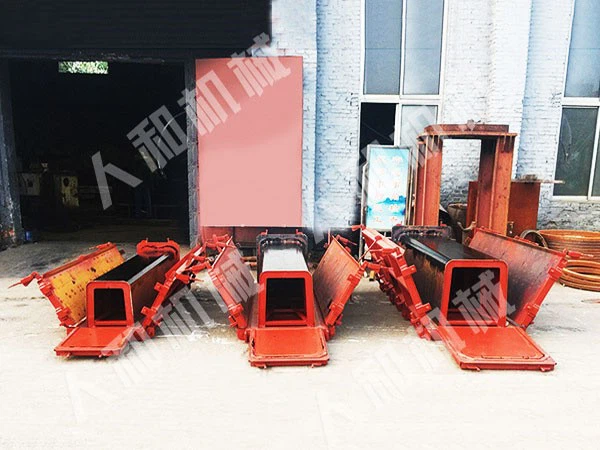
Rectangular groove molds, on the other hand, are suitable for projects where a rectangular - shaped canal is required. These molds can be used in various applications, including drainage systems, industrial sites, and even residential areas. The versatility of canal molds allows construction companies to choose the most appropriate mold for their specific project requirements.
Cost - Effectiveness
From a cost perspective, canal molds offer significant advantages. Once the initial investment in the molds is made, they can be used multiple times. This reduces the cost per unit of canal construction. For large - scale projects, the cost savings can be substantial. Additionally, the durability of the molds means that there is less need for frequent replacement, further reducing long - term costs.
Moreover, the precision and consistency of canal molds lead to less waste during the construction process. Since the molds produce accurate results, there is less need for rework, which also helps to save on labor and material costs.
Ease of Installation and Use
Canal molds are relatively easy to install and use. They are designed to be user - friendly, even for workers with limited experience. The molds can be assembled quickly, and the concrete pouring process is straightforward. This ease of use not only speeds up the construction process but also reduces the risk of errors.
For example, in a small - scale community project, local workers can easily install and use canal molds to build a simple drainage canal. The simplicity of the process allows for greater participation and ownership in the project, which can lead to more successful outcomes.
Environmental Friendliness
In today's world, environmental considerations are of utmost importance. Canal molds contribute to environmental sustainability in several ways. First, the use of durable molds reduces the need for frequent replacement, which in turn reduces the consumption of raw materials. Second, the precision of the molds ensures that the canals are built with minimal waste, which helps to conserve resources.
Furthermore, well - designed canals created with canal molds can improve water management, which is crucial for maintaining ecological balance. For example, in wetland restoration projects, properly constructed canals can help to regulate water levels, protect wildlife habitats, and prevent soil erosion.
Adaptability to Different Construction Sites
Canal molds can be adapted to different construction sites. Whether it is a flat plain, a hilly area, or a coastal region, canal molds can be adjusted to fit the specific topography of the site. This adaptability is essential for ensuring that canals can be built in a variety of environments.
For instance, in a mountainous area, canal molds can be designed to follow the natural contours of the land, which helps to minimize the amount of earth - moving required. This not only reduces the environmental impact but also makes the construction process more efficient.
Contribution to Infrastructure Development
Canal molds are an integral part of infrastructure development. They are used in the construction of irrigation canals, drainage systems, and water supply channels. These canals are essential for agriculture, urban development, and flood control.
In developing countries, the construction of canals using high - quality molds can significantly improve water management, which in turn can boost agricultural productivity and support economic growth. In urban areas, well - designed canals can help to prevent flooding and ensure the proper disposal of wastewater.
Conclusion
In conclusion, the strength of a canal mold lies in its durability, precision, versatility, cost - effectiveness, ease of use, environmental friendliness, adaptability, and contribution to infrastructure development. As a Canal Mold supplier, I am proud to offer products that play such a crucial role in the construction industry.
If you are involved in a construction project that requires canal molds, I encourage you to reach out to discuss your specific needs. Whether it is a small - scale residential project or a large - scale infrastructure development, we have the expertise and the right molds to meet your requirements. Let's work together to build a better future with high - quality canal molds.
References
- Smith, J. (2018). Construction Materials and Their Applications. New York: ABC Publishing.
- Johnson, A. (2020). Water Management in Modern Infrastructure. London: XYZ Press.
- Brown, C. (2019). The Role of Molds in Construction. Chicago: LMN Publishers.